Services
The Work
One partner, the whole scope — fitting, welding, millwright work, and the shut-downs in between. Here's what Industrial Piping takes on for processing plants across Minnesota and North Dakota, and how each job actually gets handled. Stainless and carbon, shop or field.
Service 02
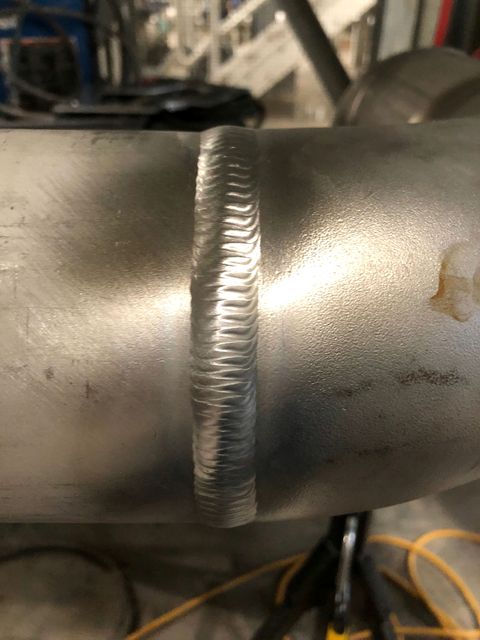
Pipe Welding
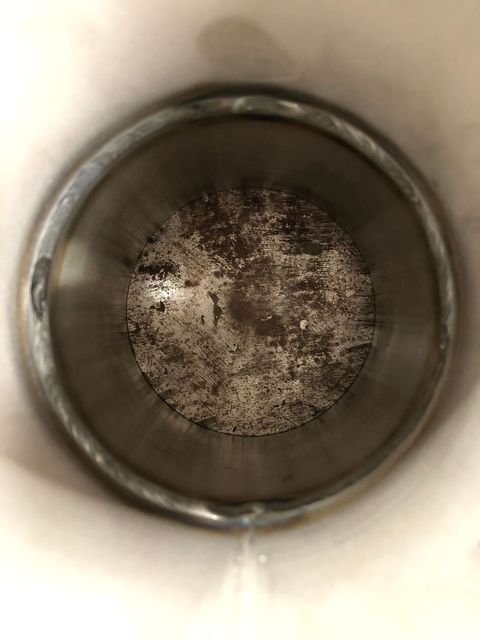
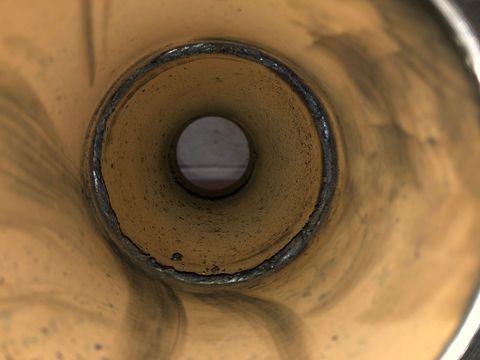
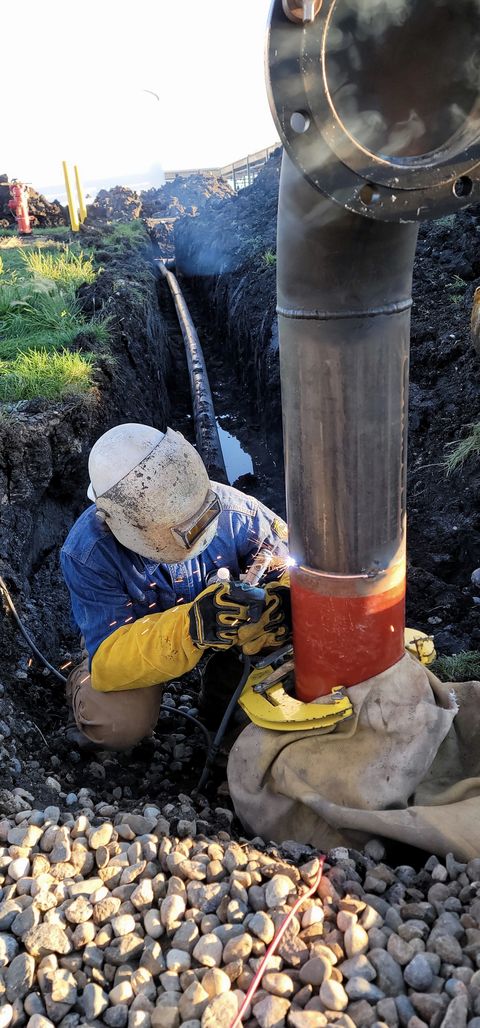
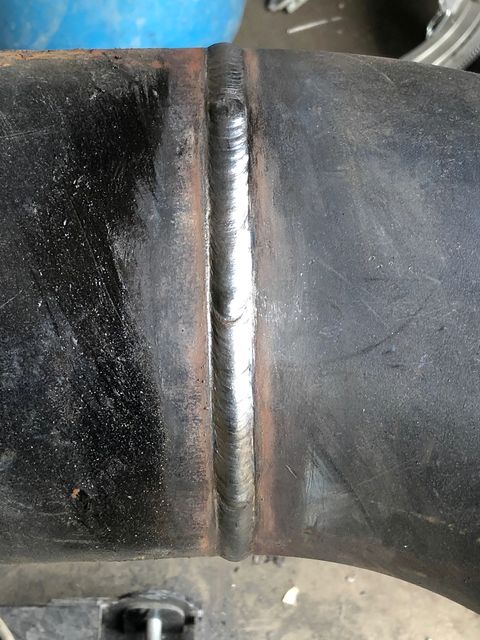
Stainless and carbon, shop or field. A root that passes inspection from the inside out is the whole job — the cap only matters if the root underneath it is sound. On stainless that means a controlled purge and controlled heat, so the inside of the pipe looks as clean as the outside.
Most of a weld is never seen once the line is buttoned up. That's exactly why a joint buried in a pipe rack gets the same prep and the same standard as one sitting on a shop bench.
- Stainless root and fill, purged and heat-controlled
- Carbon steel process and structural welds
- Socket-weld and butt-weld joints
- Shop fabrication and field tie-ins
- Small-bore through large-diameter process pipe
Service 01
Pipe Fitting
Fitting is where a clean weld starts. Before anything gets hot, the joint has to land square — spools cut to length, bevels prepped, fit-up checked against the drawing. On a plant line, a joint that's a sixteenth out of square shows up as a weld that fights you the whole way around.
Stainless and carbon get fit the same way: measured off the iso, tacked, and checked before the root goes in. We handle the layout and the weld together, so nothing gets lost in a hand-off between crews.
- Spool fit-up and layout off isometric drawings
- Bevel prep and joint alignment for stainless and carbon
- Field measure and cut for tie-ins to existing pipe
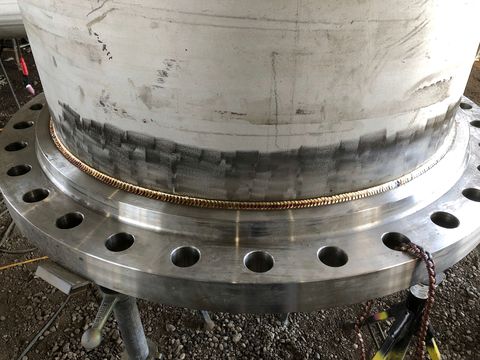
- Flange facing and bolt-hole orientation
- Tack and check the fit before the root pass
Service 03
Millwright Services
Setting equipment is precision work, not close-enough work. A pump or a gearbox that's out of alignment eats bearings and shakes the pipe tied to it. Getting it level and true up front is what saves the callback later.
On a processing line the machinery and the pipe are one system. We tie the pipe in and set the equipment it feeds, so the alignment and the piping agree with each other instead of fighting.
- Setting and leveling pumps, gearboxes, and drives
- Precision alignment of rotating equipment
- Baseplate grouting and anchor work
- Coupling and shaft alignment
- Machinery moves and re-sets within the plant
Service 04
Shut-Downs
When the plant stops, the clock starts. A shut-down is planned scope, staged materials, and long days — the window is short, and the plan is what makes it enough. The walk-through happens while the line is still running, so nothing gets discovered on day one.
The scope is the scope. Anything found mid-job gets flagged the hour it turns up, not saved for the last day. The only definition of done is the line back turning product on schedule.
- Pre-shutdown walk-through and scope planning
- Materials and spools staged before the window opens
- Tie-ins, repairs, and replacements on the outage clock
- Daily progress tracked against the punch list
- Clean hand-back with the line running again
Service 05
Machine Installation
New equipment set, piped, and tied into the process — from the truck to running product. Installation is more than dropping a machine on a pad. It's the pipe, the alignment, and the connections that make it part of the line.
Handling the set and the piping under one roof means the machine and the process pipe are built to agree from the start. Nothing waits on a second crew to show up before it can run.
- Rigging and setting new equipment on its pad
- Process and utility pipe connections
- Alignment and leveling to spec
- Tie-ins to existing process lines
- Support through first run and start-up
Service 06
Maintenance Contracts
Standing support for the repairs that can't wait for a contractor search. A maintenance contract means one number to call, already familiar with your plant and how its pipe runs.
Instead of starting from scratch every time something cracks or leaks, the same crew that already knows your line handles it. Familiarity is speed when the line is down.
- Priority response for pipe repairs and leaks
- Scheduled preventive work between runs
- A team already familiar with your plant layout
- Stainless and carbon repairs, shop or field
- Small fabrication and modifications as needs change
Red River Valley
Community Welding
Industrial Piping is based in Fargo, and we're glad to help our own neighbors. When the industrial schedule allows, we take on smaller, non-industrial welding for folks around the Red River Valley.
A trailer hitch, a railing, a broken bracket — small jobs are welcome. It never hurts to call and ask what the schedule looks like.
- Trailer, hitch, and equipment repairs
- Railings, gates, and brackets
- Small stainless and steel fabrication
- One-off fixes for home and farm
- Call and ask — jobs taken as the schedule allows